


What Every Proprietary Trading Business Must Prepare For
The proprietary trading industry has expanded rapidly over the last few years, driven by retail trader demand, online trading platforms, and scalable challenge-based business models. But as prop firms grow globally, prop firm regulatory risks are becoming one of the most important issues shaping the future of the industry.
In 2026, regulatory pressure is expected to increase across multiple jurisdictions. While most prop firms do not directly manage client deposits, regulators are paying closer attention to how these businesses operate, market their services, collect data, and process payouts.
This article breaks down the key prop trading regulation risks, explains how global compliance expectations are changing, and highlights what prop firm operators should prepare for in the years ahead.
Why Regulation Is Catching Up With Prop Firms
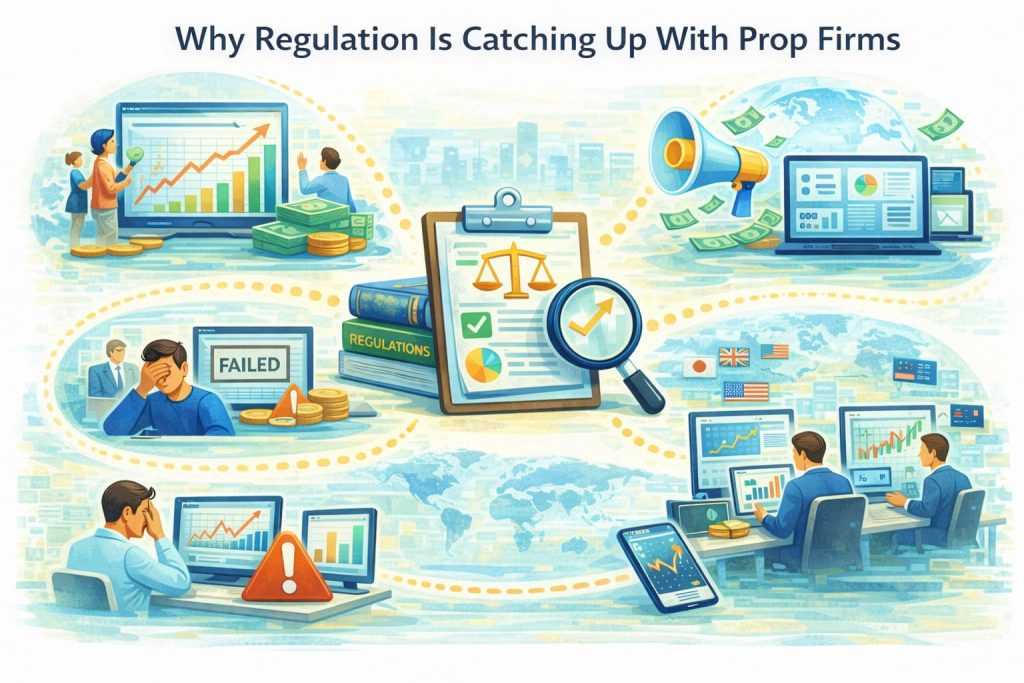
For years, prop firms operated in a relatively grey area. Many regulators viewed them as technology or evaluation providers rather than financial institutions. That perception is shifting.
Key reasons regulators are paying more attention include:
- Rapid growth of retail-funded trading challenges
- High-volume global marketing through affiliates
- Increased complaints from failed challenge participants
- Confusion between simulated trading and real-market exposure
- Cross-border operations without local licensing clarity
As a result, regulatory changes in prop trading are no longer hypothetical — they are already underway in several regions.
Core Prop Firm Regulatory Risks in 2026
Jurisdictional Classification Risk
One of the biggest compliance risks prop firms face is inconsistent classification across countries.
In some regions, prop firms are viewed as:
- Software or gaming-style platforms.
- Training or evaluation services.
- Financial service providers.
- Investment-related businesses.
This inconsistency creates exposure to:
- Sudden licensing requirements.
- Forced operational restructuring.
- Payment processor shutdowns.
- Regulatory enforcement without clear warning.
In 2026, more regulators are expected to formally define where prop firms sit within existing financial frameworks.
Forex and Prop Firm Regulations Are Converging
Historically, prop firms argued they were different from brokers. That distinction still exists, but regulators are narrowing the gap.
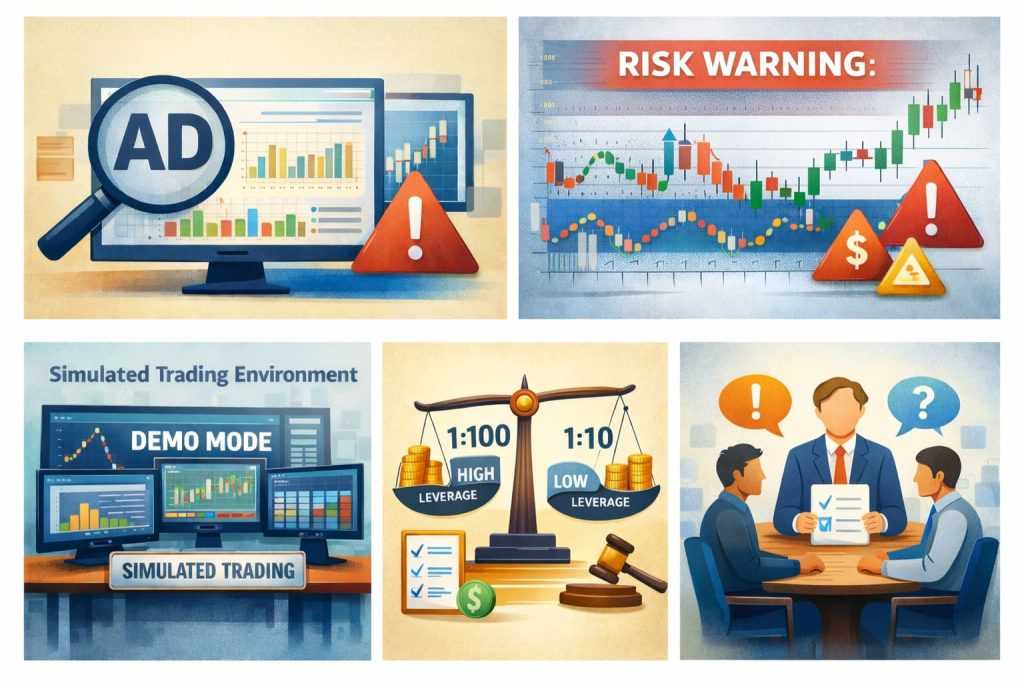
Areas where forex and prop firm regulations are starting to overlap:
- Advertising and performance claims.
- Risk disclosures and disclaimers.
- Use of leverage and trading conditions.
- Transparency around simulated environments.
- Complaint handling and dispute resolution.
In 2026, expect more regulators to apply broker-style expectations to prop firms — even without client deposits.
KYC and AML Risks in Prop Trading
Many prop firms underestimated KYC AML risks in prop trading during early growth phases. That is changing fast.
Regulatory focus areas include:
- Identity verification before payouts.
- Prevention of duplicate or fraudulent accounts.
- Monitoring of suspicious payout behavior.
- Sanctions screening for global traders.
- Audit trails for challenge fees and withdrawals.
Payment providers are often the first to enforce these rules, sometimes before regulators do.
Firms without proper KYC/AML controls risk:
- Frozen merchant accounts.
- Delayed payouts.
- Loss of PSP relationships.
- Forced onboarding changes under pressure.
Data Protection Laws and Trading Firms
Data compliance is no longer just a “legal checkbox.” Data protection laws for trading firms are becoming a serious regulatory risk.
Key concerns include:
- Storage of identity documents.
- Cross-border data transfers.
- Third-party CRM and analytics tools.
- Affiliate tracking and cookies.
- Trader behavior monitoring.
Major regulations affecting prop firms include:
- GDPR (EU).
- UK data protection frameworks.
- Emerging privacy laws in Asia and Latin America.
In 2026, regulators are expected to scrutinize how prop firms:
- Store trader data.
- Control admin access.
- Handle data deletion requests.
- Secure payout and identity records.
Marketing, Affiliates, and Disclosure Risks
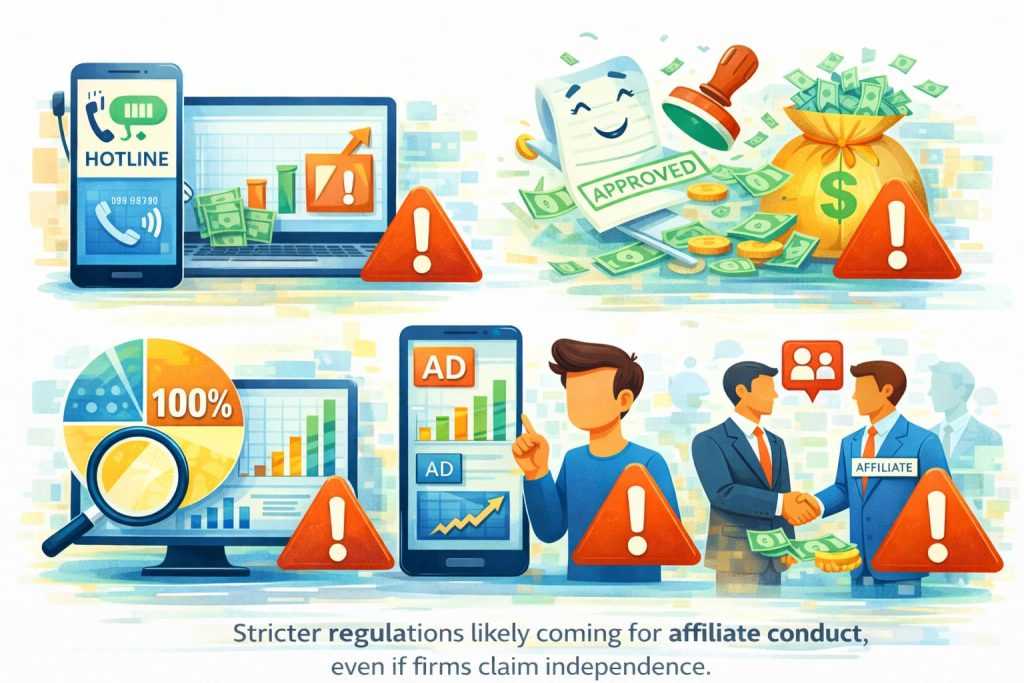
Aggressive affiliate marketing has been a major growth driver — and a growing liability.
Regulators are increasingly targeting:
- Guaranteed profit claims.
- “Easy funding” messaging.
- Misleading payout statistics.
- Influencer promotions without disclosures.
- Affiliates acting as unlicensed introducers.
Future prop trading regulation is likely to include stricter responsibility for affiliate behavior, even when firms claim independence.
Operational Structure as a Compliance Risk
How a prop firm is structured internally matters more than ever.
High-risk operational patterns include:
- Manual payout approvals.
- Inconsistent rule enforcement.
- Lack of audit logs.
- No separation between evaluation and payout logic.
- Inadequate reporting capabilities.
In 2026, regulators and payment providers alike expect:
- Clear rule engines.
- Consistent challenge enforcement.
- Transparent payout calculations.
- Tamper-resistant audit trails.
Technology decisions now directly impact regulatory exposure.
The Future of Prop Firm Regulation
The future of prop firm regulation is unlikely to ban the industry — but it will reshape it.
Expected trends include:
- Formal regulatory guidance in major markets.
- Clearer definitions of simulated vs. live trading.
- Mandatory disclosures for challenge-based models.
- Increased oversight of payouts and marketing.
- Stronger cooperation between regulators and PSPs.
Firms that adapt early will have a major advantage over those reacting late.

How Prop Firms Can Reduce Regulatory Risk
Forward-thinking prop firms are already taking action by:
- Implementing structured KYC and AML workflows.
- Using compliant, audit-ready CRM systems.
- Limiting high-risk jurisdictions.
- Improving marketing disclosures.
- Maintaining detailed transaction records.
- Separating evaluation logic from payouts.
Regulatory readiness is no longer optional — it is a competitive advantage.
Final Thoughts
In 2026, prop firm regulatory risks will be one of the defining challenges for the industry. As prop trading regulation evolves, firms that invest in compliance, transparency, and scalable infrastructure will be far better positioned to survive — and grow.
For prop firms targeting long-term sustainability, regulatory preparedness is no longer about avoiding penalties. It is about building trust with traders, payment providers, and regulators alike.
The firms that treat compliance as part of their core business model will shape the next generation of proprietary trading.
Request a Consultation on Building a Compliance-Ready Prop Firm Infrastructure
Get expert guidance on implementing operational systems that reduce regulatory and payment-provider risk. We’ll help you design CRM workflows, audit trails, KYC processes, payout logic, and reporting structures that demonstrate transparency and consistency.
Together, we’ll assess your current setup and define a practical, audit-ready infrastructure aligned with emerging prop trading compliance expectations.